
Why Iron Matters for Active People
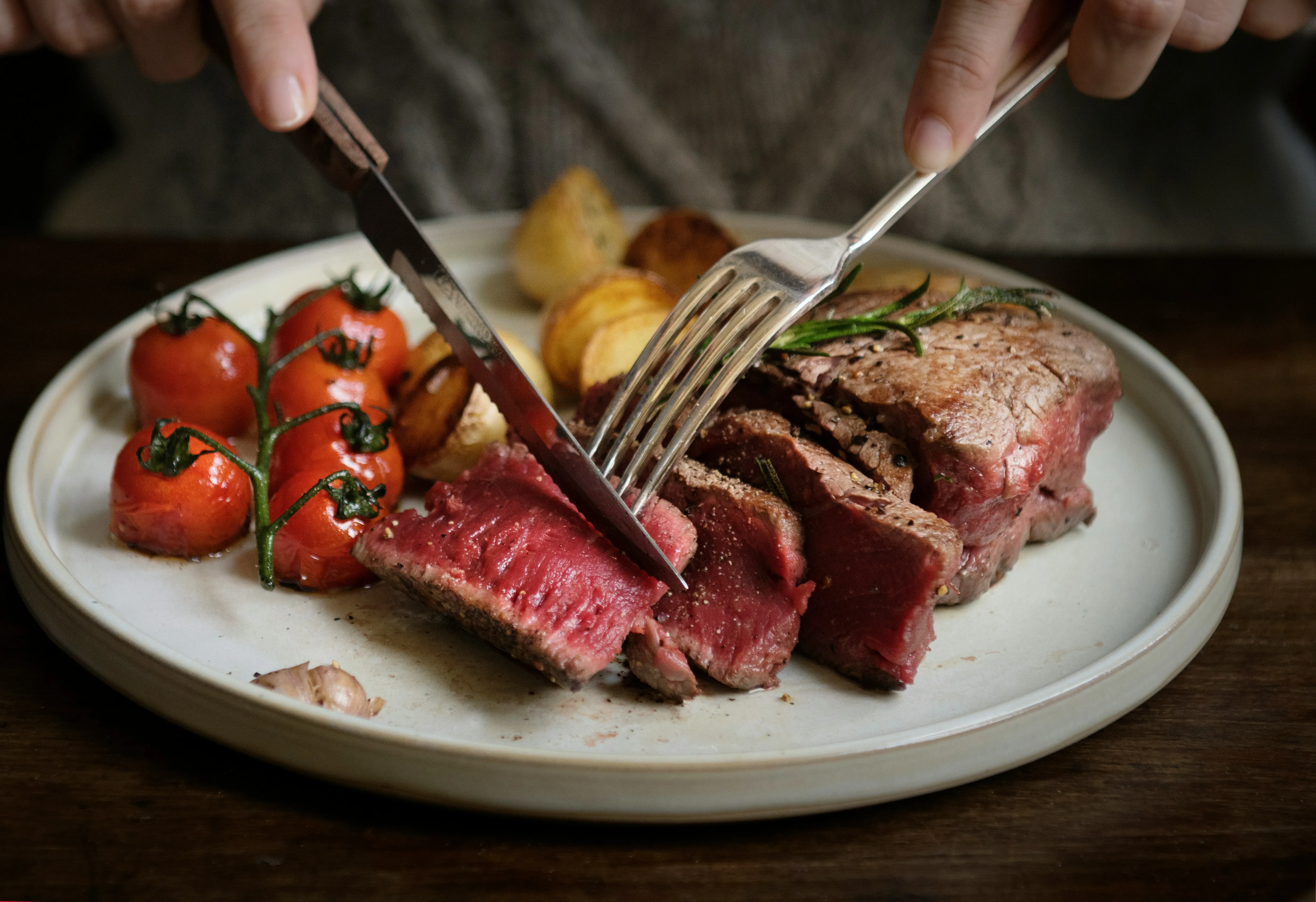
Table of Content
You can train well, sleep reasonably, and eat plenty of protein and still feel like your legs are full of sand halfway through every workout.
People usually blame fitness, stress, or age. Sometimes the real cause is a mineral most people don't think about until a blood test flags it.
Iron is one of the few nutrients where being active actually raises your risk of falling short. Here's why, and what to do about it.
What Iron Does During Exercise
Iron sits at the center of hemoglobin, the protein in red blood cells that carries oxygen from your lungs to the rest of your body. It's also part of myoglobin, which stores oxygen inside muscle cells, and part of several enzymes your mitochondria use to make energy.
Put simply, iron decides how much oxygen reaches your muscles and how well they can use it once it arrives.
When iron runs low, that supply chain slows down. Hard efforts feel harder, recovery between sets or intervals takes longer, and your usual pace starts to feel like a push. The decline is gradual, so many people adjust to it without realizing anything has changed.
Why Active People Lose More of It
Sedentary people lose small amounts of iron every day through normal cell turnover. Training adds several more ways to lose it.
Sweat. Sweat contains a small amount of iron. One session doesn't matter much, but frequent long sessions in the heat add up over months.
Red blood cell breakdown. Repeated impact, like your feet striking the ground on a run, can damage red blood cells and release their iron. This is called foot-strike hemolysis, and it's one reason runners show up often in iron research.
Gut losses. Long or intense endurance work can cause small amounts of bleeding in the digestive tract, usually too little to notice.
Hepcidin. This is the factor most people have never heard of. Hepcidin is a hormone that controls how much iron your gut absorbs. Research led by Peter Peeling found that hepcidin rises after hard exercise and peaks roughly three to six hours later. While it's high, your body absorbs less iron from food.
None of these losses is dramatic. The trouble is that they stack up week after week, often in people who aren't eating enough to cover them.
Who Needs to Pay Closer Attention
Iron deficiency can affect anyone, but some groups run into it far more often.
Women who menstruate are at the top of the list. The US National Institutes of Health sets the recommended daily intake at 18 mg for women aged 19 to 50, compared with 8 mg for adult men. Add regular training to monthly blood loss, and the margin for error shrinks quickly.
Endurance athletes come next, especially runners, because they're exposed to every loss route above.
People who eat little or no meat need more iron than meat eaters. The NIH suggests vegetarians may need about 1.8 times the standard recommendation, because iron from plants is harder to absorb.
The last group is people under-eating for their training load. Restricting calories while training hard reduces iron intake, and low energy availability is linked to higher hepcidin. If you're not sure where you stand, check whether you're eating enough to support your workouts before you look at anything else.
The Early Signs Are Easy to Miss
Iron deficiency usually develops in stages. First your stores drop, measured by a blood marker called ferritin. Only later does hemoglobin fall far enough to be called anemia.
The middle stage, low iron without anemia, is common in active people and easy to overlook, because a basic blood count can come back normal.
Watch for fatigue that sleep doesn't fix, heart rate climbing faster than usual at familiar efforts, feeling short of breath during workouts that used to feel easy, frequent colds, cold hands and feet, and training plateaus with no obvious cause.
None of these proves anything by itself. Several together are a good reason to ask your doctor for a ferritin test, not just a standard blood count.
Not All Iron Is Absorbed the Same Way
Food contains two kinds of iron, and your body treats them very differently.
Heme iron comes from animal foods like red meat, poultry, fish, and shellfish. It's absorbed relatively well.
Non-heme iron comes from plants and fortified foods like beans, lentils, tofu, spinach, pumpkin seeds, and fortified cereals. It's absorbed much less efficiently, and what you eat alongside it has a big effect on how much you take in.
That second point is where most of the practical gains are.
Vitamin C noticeably increases how much non-heme iron you absorb. So does eating a little meat or fish in the same meal. Lentils with tomatoes, beans with peppers, or fortified oats with strawberries all make better use of the iron on the plate.
Some things work against absorption. Tea and coffee contain polyphenols that bind iron, and calcium competes with it too. You don't need to cut either. Just have your coffee an hour or so away from your most iron-rich meal rather than with it.
Building Iron Into Normal Meals
You don't need a special diet. You need a few iron-rich foods showing up regularly.
Fortified breakfast cereals can provide a large share of your daily iron in one bowl. It's worth checking the box, and if numbers on packaging tend to lose you, this guide to reading a nutrition label makes the iron line easy to find. Canned white beans, lentils, oysters, lean beef, and tofu are all strong sources. Spinach has a reputation for iron, but much of it is poorly absorbed, so treat it as a contributor rather than your main source.
A simple approach is to make sure most lunches and dinners include one iron source paired with a vitamin C source. If you already build meals around a balanced plate, that usually just means choosing your protein and vegetables with iron in mind.
Planning ahead helps too. Putting a few iron staples on your weekly grocery list means the right foods are already in the kitchen when you're tired and hungry after a session.
Timing Iron Around Training
Because of the hepcidin rise after exercise, when you eat iron-rich food, it can matter a little more than usual.
Hepcidin also follows a daily rhythm and tends to be lowest in the morning. Your most iron-rich meal may be best eaten in the morning, before training or soon after, or on rest days. A big iron-focused dinner several hours after a hard afternoon session lands right in the window where absorption is reduced.
This is a small adjustment, not a rule to stress over. For most people, total daily intake matters more than precise timing, a principle covered in more detail in this look at whether meal timing matters.
A Careful Word on Supplements
It's tempting to grab an iron pill as soon as you feel tired. Don't, at least not without a blood test first.
Iron is one of the few nutrients where taking too much causes real harm. Your body has no efficient way to get rid of extra iron, and some people have a genetic condition called hemochromatosis that makes them store far too much. Unneeded supplements can also cause constipation, nausea, and stomach upset.
If testing shows low ferritin, a doctor can recommend the right dose and how long to take it, then retest to confirm it's working. Rebuilding iron stores usually takes weeks to months, not days.
The Bottom Line
Iron carries oxygen to your muscles and helps them turn it into energy. Active people lose more of it through sweat, impact, and the post-exercise rise in hepcidin, and women, endurance athletes, plant-based eaters, and anyone under-fueling are the most likely to run low.
Eat iron-rich foods regularly, pair plant sources with vitamin C, keep tea and coffee away from your iron-heavy meals, and if you feel unusually flat for weeks, get your ferritin checked instead of guessing

What Is RPE and How Can It Improve Your Training?
23 October 2026

How to Train Your Hamstrings at Home Without Machines
14 October 2026
