
How to Build a Simple Grocery List That Supports Your Fitness Goals
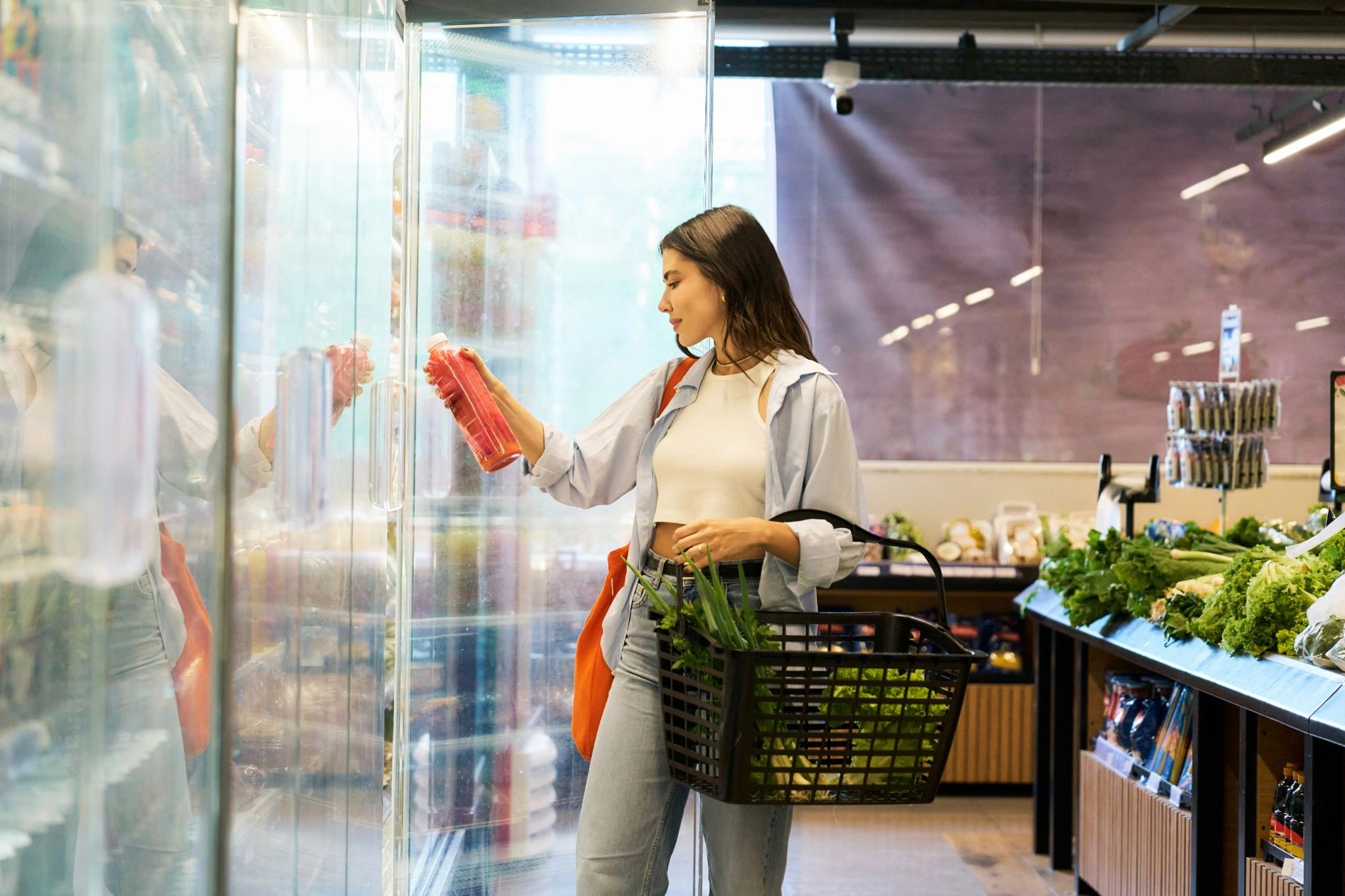
Table of Content
Eating well does not start in the kitchen.
It usually starts at the grocery store.
When you have the right foods at home, it becomes much easier to make meals that support your workouts, energy, and overall routine. You do not need a perfect meal plan or a cart full of expensive “health foods.” You just need a simple grocery list that makes better choices easier throughout the week.
Here is how to build one without overthinking it.
Start With Foods You Actually Eat
A good grocery list should fit your real life.
It is easy to write down foods that sound healthy, but if you do not enjoy them or do not know how to use them, they may end up sitting untouched in the fridge.
Start with familiar options. Think about the meals you already like, then look for simple ways to make them more balanced.
If you like rice bowls, add a protein source, vegetables, and a sauce you enjoy. If you like sandwiches, choose a filling that keeps you satisfied and pair it with fruit or yogurt. If you like pasta, add lean protein and vegetables instead of treating it like an “off-plan” meal.
The goal is not to create a completely new lifestyle overnight. The goal is to make your regular meals work a little better for you.
Build Around Protein First
Protein is one of the most helpful items to include when building a fitness-focused grocery list.
It supports muscle repair, helps you feel full, and can make meals more satisfying. You do not need to track every gram to benefit from it. Just make sure you have easy protein options available.
Good options include:
Chicken, turkey, eggs, Greek yogurt, tuna, salmon, tofu, tempeh, beans, lentils, cottage cheese, lean beef, and protein-rich milk or dairy alternatives.
Try choosing two or three protein sources for the week. This keeps your list simple and gives you enough variety without making shopping complicated.
For example, you might buy eggs for breakfast, chicken for lunch or dinner, and Greek yogurt for snacks.
Add Carbs That Give You Energy
Carbs are not something to fear.
They are an important energy source, especially if you are exercising regularly. The key is choosing options that help you feel steady and satisfied.
Good grocery list staples include:
Rice, oats, potatoes, sweet potatoes, whole-grain bread, pasta, tortillas, quinoa, fruit, and beans.
You do not need to avoid simple meals like rice and potatoes. These can be very useful when paired with protein, vegetables, and healthy fats.
If your workouts have been feeling low-energy, your grocery list might simply need more reliable carb sources.
Include Fruits and Vegetables You Can Use Easily
Fruits and vegetables are helpful, but they only work if you actually use them.
Instead of buying a huge variety and hoping for the best, choose a few options that fit your week.
Fresh produce is great, but frozen and pre-cut options are also useful. They can save time, reduce waste, and make healthy eating feel less like a chore.
Easy options include:
Bananas, berries, apples, oranges, spinach, broccoli, carrots, bell peppers, salad greens, frozen mixed vegetables, and frozen fruit.
You can add vegetables to eggs, rice bowls, wraps, pasta, soups, or stir-fries. Fruit can work as a snack, breakfast side, smoothie ingredient, or quick pre-workout bite.
Keep it simple. A few repeatable choices are better than a fridge full of food you forget to use.
Do Not Forget Healthy Fats
Healthy fats help meals feel more complete and satisfying.
They also add flavor, which matters if you want your eating habits to last.
Good options include:
Avocado, olive oil, nuts, seeds, nut butter, eggs, salmon, and hummus.
You do not need a lot at once. A small amount can make a meal more filling and enjoyable.
For example, olive oil on vegetables, peanut butter with fruit, avocado in a wrap, or hummus with a snack plate can make simple meals feel more complete.
Add Quick “Backup” Foods
One of the best things you can do for your fitness goals is prepare for busy days.
Not every meal will be cooked from scratch. Some days, you will be tired, rushed, or not in the mood to think about food.
That is where backup foods help.
These are easy items you can turn into a meal or snack with little effort.
Examples include:
Canned tuna, canned beans, frozen vegetables, microwave rice, eggs, yogurt, whole-grain wraps, pre-cooked chicken, cottage cheese, soup, fruit, and simple protein snacks.
Backup foods help you avoid the all-or-nothing mindset. Even when the day gets messy, you still have options that support your routine.
Think in Simple Meal Combinations
A grocery list becomes easier when you think in combinations instead of individual ingredients.
A balanced meal usually includes:
A protein source, a carb source, fruits or vegetables, and a fat source.
For example:
Greek yogurt, berries, oats, and nut butter.
Chicken, rice, vegetables, and olive oil.
Eggs, toast, avocado, and fruit.
Tofu, noodles, mixed vegetables, and sauce.
Tuna, wrap, salad greens, and hummus.
You do not need fancy recipes every week. A few simple combinations can carry you through most meals.
Keep Snacks Practical
Snacks can support your fitness goals when they help you stay energized and avoid getting overly hungry between meals.
Choose snacks that combine protein, carbs, or healthy fats when possible.
Simple options include:
Greek yogurt with fruit, apple with peanut butter, boiled eggs, cottage cheese, trail mix, hummus with carrots, tuna on crackers, or a smoothie.
Snacks do not need to be complicated. They just need to be easy enough to reach for when you need them.
Use a Repeatable Grocery List Template
Instead of starting from scratch every week, use a simple structure.
Here is an easy grocery list template:
Proteins: Choose 2 to 3
Carbs: Choose 2 to 3
Fruits and vegetables: Choose 4 to 6
Healthy fats: Choose 1 to 2
Quick backups: Choose 2 to 3
Snacks: Choose 2 to 3
This keeps your grocery trip focused without making it restrictive.
You can repeat your favorite items most weeks, then change a few things when you want variety.
Avoid Making the List Too Perfect
A grocery list should make healthy eating easier, not more stressful.
You do not need every item to be organic, low-calorie, high-protein, or perfectly matched to a meal plan. You also do not need to remove every food you enjoy.
Fitness-friendly eating is about building habits you can repeat.
If your grocery list gives you enough protein, energy, color, convenience, and flexibility, it is doing its job.
Final Thoughts
A simple grocery list can make your fitness goals feel much more manageable.
Start with foods you already enjoy. Add reliable protein, energizing carbs, fruits and vegetables, healthy fats, and a few backup options for busy days.
When your kitchen is set up well, better choices become easier to make.
Healthy eating does not have to start with a strict plan. Sometimes, it starts with a better grocery list.


Why Healthy Eating Keeps Feeling Complicated
30 July 2026
