
How to Build a Balanced Plate Without Counting Calories
.webp)
Table of Content
Healthy eating does not have to start with counting calories.
For some people, tracking calories can be helpful. But for many beginners, it can feel overwhelming, time-consuming, or hard to maintain. The good news is that you can still build healthier meals without measuring every bite.
A balanced plate is a simple way to make meals more supportive, satisfying, and consistent.
Instead of focusing on numbers, you focus on what is actually on your plate: protein, carbohydrates, vegetables or fruit, healthy fats, and enough fluids throughout the day.
This approach is practical, flexible, and easier to repeat.
What Is a Balanced Plate?
A balanced plate includes a mix of foods that help your body feel energized, full, and supported.
A simple structure looks like this:
- Protein
- Carbohydrates
- Vegetables or fruit
- Healthy fats
- Water or another simple drink
You do not need every meal to look perfect. The goal is to build a pattern that works most of the time.
When your meals are balanced, you are more likely to feel steady during the day, recover better from workouts, and avoid feeling overly hungry later.
Start With Protein
Protein is one of the most helpful parts of a balanced meal.
It supports muscle repair, helps you feel full, and plays an important role in recovery after exercise. If you are trying to stay active, build strength, or simply feel more satisfied after meals, protein is a good place to start.
Simple protein options include:
- Chicken
- Fish
- Eggs
- Greek yogurt
- Tofu
- Tempeh
- Beans
- Lentils
- Turkey
- Lean beef
- Cottage cheese
A simple visual guide is to include a palm-sized portion of protein at meals.
It does not have to be exact. It is just an easy way to build consistency without weighing food.
Add Carbohydrates for Energy
Carbohydrates are not the enemy.
They are one of your body’s main sources of energy, especially if you work out, walk often, or have an active routine. Cutting them too low can make you feel tired, distracted, or less prepared for exercise.
Good carbohydrate options include:
- Rice
- Potatoes
- Oats
- Whole grain bread
- Pasta
- Quinoa
- Fruit
- Beans
- Corn
- Sweet potatoes
For most meals, aim for a fist-sized portion of carbohydrates.
If you are more active or training harder, you may need more. If you are having a lighter day, you may want a smaller portion. The plate method gives you room to adjust without needing to track every number.
Fill Space With Vegetables or Fruit
Vegetables and fruit add fiber, vitamins, minerals, and volume to your meals.
They can help your meal feel more filling without making it heavy. They also add color, texture, and variety, which can make healthy eating feel less boring.
You do not need to eat plain salads every day. Vegetables can be roasted, stir-fried, added to soups, mixed into rice bowls, blended into smoothies, or served as a simple side.
Simple options include:
- Leafy greens
- Broccoli
- Carrots
- Bell peppers
- Tomatoes
- Cucumber
- Zucchini
- Mixed vegetables
- Berries
- Apples
- Bananas
- Oranges
A helpful goal is to fill about half your plate with vegetables or fruit when possible.
If that feels like too much at first, start smaller. Add one vegetable or one piece of fruit to a meal you already eat.
Include Healthy Fats
Healthy fats help with fullness and make meals more satisfying.
They also support overall health and can make simple meals taste better. You do not need a large amount to get the benefit.
Healthy fat options include:
- Avocado
- Olive oil
- Nuts
- Seeds
- Peanut butter
- Almond butter
- Fatty fish
- Eggs
A thumb-sized portion of added fat is often enough for many meals.
For example, you might add avocado to a rice bowl, olive oil to vegetables, or peanut butter to toast.
A Simple Plate Formula
Here is an easy formula to remember:
Half the plate: vegetables or fruit
One quarter: protein
One quarter: carbohydrates
Small amount: healthy fats
Drink: water or another simple option
This does not need to be perfect every time. Some meals will be mixed together, like soups, wraps, pasta dishes, or stir-fries. That is completely fine.
Just look for the same basic parts.
Does the meal have protein?
Does it have energy from carbohydrates?
Does it include some color from fruits or vegetables?
Does it have a small amount of fat to make it satisfying?
That is enough to start.
Examples of Balanced Meals
A balanced plate can look different depending on your taste, culture, schedule, and budget.
Here are a few simple examples:
Chicken rice bowl
Chicken, rice, mixed vegetables, and avocado
Egg breakfast plate
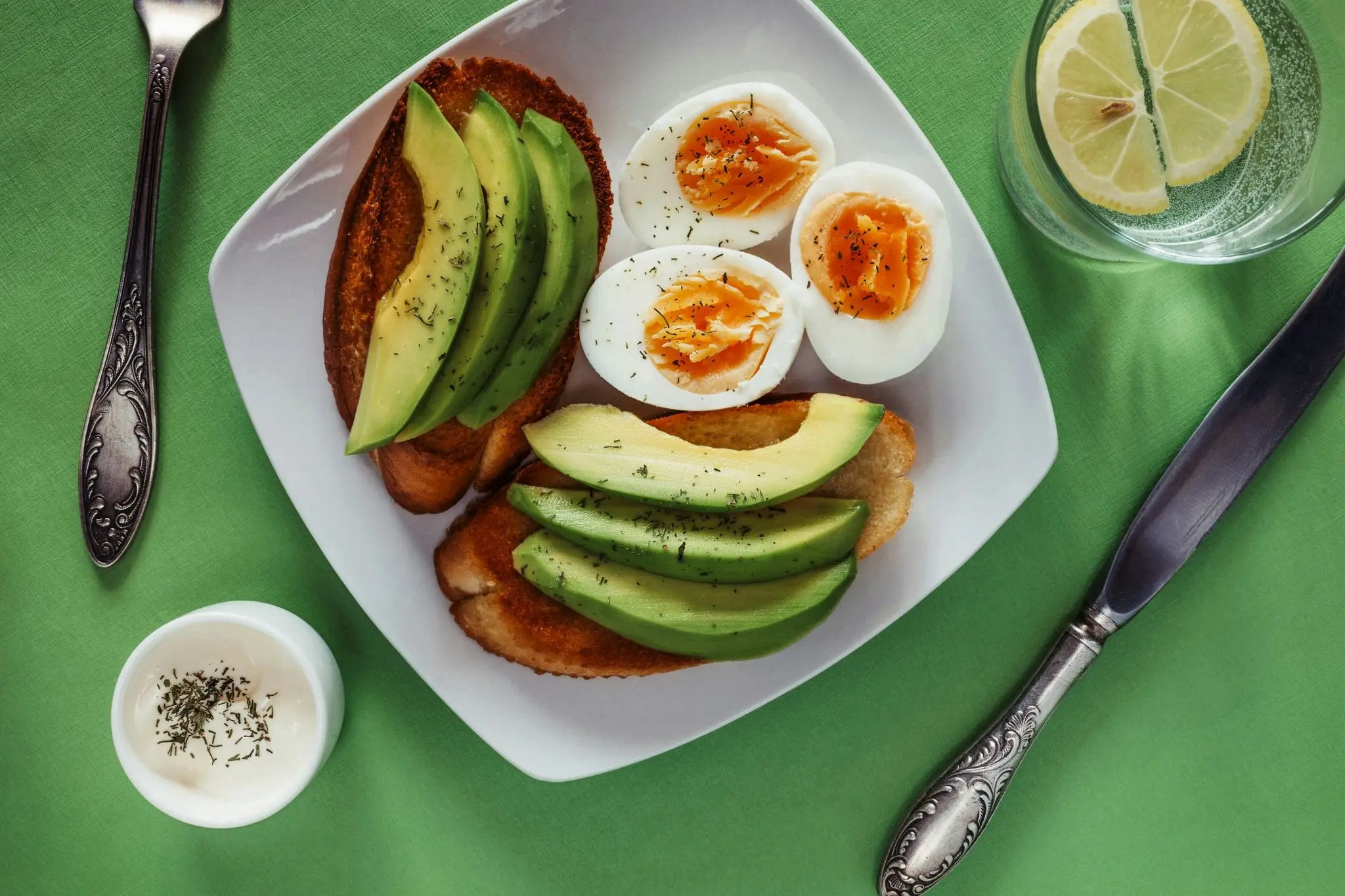
Eggs, toast, fruit, and a small amount of butter or avocado
Greek yogurt bowl
Greek yogurt, berries, oats or granola, and nuts
Tofu stir-fry
Tofu, rice, vegetables, and a small amount of sesame oil
Turkey wrap
Turkey, whole grain wrap, lettuce, tomato, and hummus
Salmon dinner plate
Salmon, potatoes, vegetables, and olive oil
Bean and veggie bowl
Beans, rice, salsa, vegetables, and avocado
These meals are simple, flexible, and easy to adjust.
What If Your Meal Is Not Perfect?
That is normal.
Not every meal will be perfectly balanced. Sometimes you will grab something quick. Sometimes your plate will be mostly carbohydrates. Sometimes you will miss vegetables. Sometimes you will eat out.
One meal does not define your nutrition.
Instead of aiming for perfection, aim for your next helpful choice.
If breakfast was rushed, make lunch more balanced. If dinner is takeout, add a side of vegetables or choose a protein option. If you did not drink much water earlier, start now.
Healthy eating becomes easier when you stop treating every meal like a pass or fail test.
Balanced Eating for Fitness Goals
If your goal is to get stronger, improve energy, or stay consistent with workouts, balanced meals can help.
Protein supports recovery. Carbohydrates support energy. Fruits and vegetables support overall wellness. Healthy fats help meals feel satisfying.
Together, they make it easier to stay consistent because you are not running on low energy or relying on restrictive habits.
A balanced plate also helps you avoid the cycle of eating too little, feeling drained, then overeating later because your body is trying to catch up.
Support your body before it has to demand support.
How to Start This Week
Do not overhaul your whole diet at once.
Start with one meal per day.
Choose a meal you already eat often, then improve it slightly.
For example:
- Add eggs or yogurt to breakfast
- Add chicken, tofu, or beans to lunch
- Add vegetables to dinner
- Add fruit to a snack
- Add water alongside coffee or juice
- Add rice, oats, or potatoes if your meals feel too light
Small upgrades are easier to repeat than dramatic changes.
Final Thoughts
You do not need to count every calorie to eat in a more balanced way.
Start with the plate in front of you.
Add protein. Include carbohydrates. Bring in fruits or vegetables. Use healthy fats in simple amounts. Drink water throughout the day.
Keep it flexible. Keep it practical. Keep it repeatable.
A balanced plate is not about eating perfectly.
It is about giving your body enough of what it needs to feel better, move better, and stay consistent over time.

Why Healthy Fats Belong in a Fitness-Focused Diet
18 September 2026

How Long Should a Home Workout Actually Be?
18 September 2026
