
How to Build Meals That Actually Keep You Full
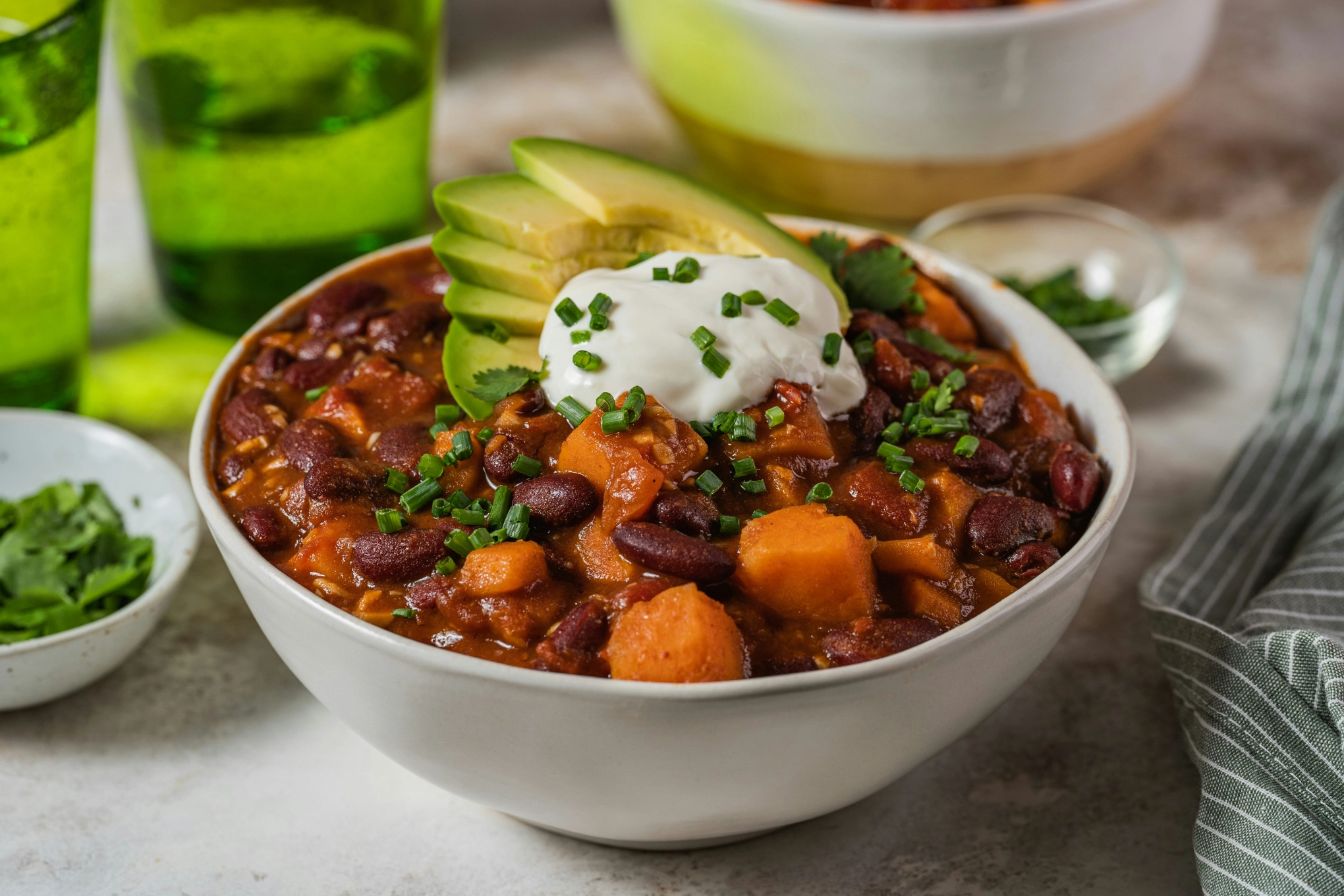
Table of Content
Hunger an hour after eating is one of those things people blame on themselves. Weak willpower. A fast metabolism. Just being someone who is always hungry.
Most of the time it is none of those things. It is a meal structure problem. The food was there. The calories were probably there. But the combination of things that tells the body it is genuinely fed was not.
This is fixable, and it does not require eating more or counting anything.
Why Some Meals Satisfy and Others Do Not
The sensation of fullness is not purely about volume. It is a hormonal and neurological process involving several signals working together: stomach stretch, nutrient composition, blood sugar stability, and the rate at which food leaves the stomach and enters the small intestine.
A meal that triggers all of these produces lasting satiety. A meal that only hits one or two, even if it looks substantial, leaves the system looking for the rest.
White rice with a small amount of sauce and no protein is a good example. It creates a quick glucose rise, the stomach processes it relatively fast, and the satiety signals that depend on protein and fat are essentially absent. An hour later, hunger is back. The meal was not too small. It was structurally incomplete.
Understanding this shifts the question from how much to eat to what combination of things to include.
Protein Comes First
Of the three macronutrients, protein has the strongest effect on satiety by a considerable margin.
It triggers the release of satiety hormones, suppresses ghrelin (the hormone that drives hunger), and slows gastric emptying so the stomach stays occupied for longer. It also has the highest thermic effect, meaning the body burns more energy digesting it than it does with carbohydrates or fat.
Practically speaking, meals that include a meaningful protein source hold hunger off significantly longer than meals without one. The difference between a salad with chickpeas versus a salad without them, or rice with chicken versus rice alone, is not subtle over the course of a day.
A useful target for most people is somewhere between 25 and 40 grams of protein per main meal. This does not need to be tracked precisely. It means the protein source on the plate should look like the main feature rather than a garnish.
Fiber Does the Work Most People Give Carbs the Credit For
Refined carbohydrates get processed quickly. The blood sugar rises, then falls, and hunger follows that fall closely. This is the cycle behind the mid-morning crash after a breakfast of white toast, or the 3pm slump after a lunch that was mostly bread and light fillings.
Fiber slows all of that down. It delays the absorption of sugar into the bloodstream, feeds the gut bacteria that regulate appetite signalling, and adds physical bulk to the stomach that contributes to stretch-based satiety. Meals built around fiber-rich foods do not produce the same spike-and-crash pattern.
The fiber sources that do the most work here are legumes, oats, vegetables with their skins on, and whole grains. These are not diet foods. They are structurally satisfying foods that happen to also carry significant nutritional value.
Getting these into meals consistently is straightforward once grocery shopping is built around them. The difficulty is rarely preparation. It is availability. If the kitchen does not have them, they will not make it onto the plate.
Fat Belongs in the Meal
Fat became collateral damage in decades of low-fat dietary advice, and the consequences for how people eat are still visible. Meals stripped of fat are meals that do not satisfy.
Fat slows gastric emptying significantly. A meal that includes a source of fat stays in the stomach longer, which keeps the physical fullness signal active well beyond when a low-fat version of the same meal would have cleared through.
Olive oil on vegetables, avocado in a salad, a handful of nuts alongside something, and full-fat dairy in a sauce: these are not indulgences to manage. They are satiety tools that belong in a properly structured meal. The portion does not need to be large. It needs to be present.
The Structure Worth Building Around
Rather than thinking in terms of individual nutrients, a simpler approach is to build every main meal around three anchors: a protein source, a fiber-rich carbohydrate or vegetable, and a fat source. When all three are present in meaningful amounts, the meal covers most of the satiety mechanisms simultaneously.
This is not a formula that requires calculation. It is a checklist that takes about ten seconds to run through before eating. Does this meal have a proper protein source? Is there something with fiber in it? Is there fat here?
A plate of grilled chicken, roasted sweet potato with the skin, and a drizzle of olive oil passes all three. So does a bowl of lentil soup with a slice of whole-grain bread and a small side of cheese. So do eggs with sauteed greens cooked in a small amount of butter.
The balanced plate approach covers this in more detail and gives a clear visual framework for getting the proportions right without any tracking required.
Liquid Calories and the Satiety Gap
Drinks that contain calories, juice, smoothies, coffees with significant milk or sugar, or alcohol do not register in the satiety system the same way solid food does. The stomach stretch signal is minimal. The slower digestion triggered by solid protein and fat is absent. The hormonal response is weaker.
This is not to say these drinks have no place. It is to say that replacing solid meals with liquid ones, or adding high-calorie drinks alongside meals without adjusting anything else, is a reliable way to increase calorie intake without increasing satiety. The hunger returns on the same schedule regardless.
If a smoothie is functioning as a meal rather than a supplement, adding protein powder, full-fat yogurt, nut butter, or oats to it starts to make it behave more like a solid meal from a satiety standpoint.
Eating Speed Matters More Than Most People Know
The hormonal signals that tell the brain the body is fed take time to arrive. The commonly cited figure is around twenty minutes from the start of eating. This is slightly simplified but directionally accurate.
Someone who eats quickly can comfortably consume a large amount of food before those signals have had enough time to register. The meal ends. Five minutes later, fullness arrives. But in the gap, more food went in than was necessary.
Slowing down is straightforward advice that genuinely produces results when applied consistently. Putting utensils down between bites, eating without screens as a distraction, and chewing more thoroughly: none of these sound particularly interesting, but they allow the body's satiety signalling to catch up with what is actually being consumed.
Hydration Plays a Role Too
Mild dehydration is frequently misread as hunger. The hypothalamus, which regulates both hunger and thirst, can produce similar signals for both, and most people have trained themselves to respond to ambiguous signals with food rather than water.
Drinking a glass of water before meals also contributes to stomach volume, which activates the stretch receptors that are part of the satiety signal. It is not a meal replacement. But it is a meaningful addition to the context in which the meal is eaten.
Staying consistently hydrated across the day rather than catching up reactively keeps those signals clearer and reduces the frequency of false hunger that is actually thirst. Hydration habits built across the full day rather than just around specific activities make a real difference to appetite regulation over time.
Meal Timing and the Gap Problem
Long gaps between meals set up the conditions for poor food choices. When hunger builds to a significant level before the next meal, the natural response is to eat quickly and eat more than intended. The slow, considered eating that supports satiety signalling goes out the window when hunger has been building for six hours.
Three properly structured meals across the day, with a protein-containing snack if the gap between two of them is particularly long, keeps hunger manageable and removes the desperation eating that tends to undermine an otherwise reasonable approach.
Meal prep becomes useful here not as a rigid system but as a way of ensuring proper meals are available during the parts of the week when there is no time to build them from scratch. Simple meal prep that fits into a real week does not need to be complicated to be effective. It just needs to ensure something useful is ready when hunger arrives.
Around Training Sessions
The relationship between meals and training is worth a specific mention because training changes the satiety picture in ways people do not always account for.
Post-training hunger can be significantly higher than baseline hunger, particularly after sessions that involve significant muscle work. This is normal and not a signal to ignore. The body is asking for what it needs to repair and adapt. Undereating after training consistently is one of the more reliable ways to slow recovery and limit results over time.
A post-training meal that includes adequate protein alongside carbohydrates does double duty: it supports recovery and it satisfies the heightened hunger the session produced. What to eat after a workout covers the specifics, but the broad principle is that this particular meal deserves more attention than it typically gets.
The Practical Summary
Building meals that hold you does not require a nutrition degree or a food scale. It requires getting a few things consistently right: protein at every main meal in a meaningful amount, fiber-rich carbohydrates and vegetables rather than refined ones, fat present in each meal, eating slowly enough that the satiety signals have time to land, and hydration running across the whole day rather than as an afterthought.
None of these are dramatic changes for most people. But applied consistently, they change the daily hunger experience in ways that make eating well feel significantly less like an effort and significantly more like a default.
Questions That Come Up
Why am I hungry again so soon after eating a large meal?
Usually because the meal was high in refined carbohydrates and low in protein, fiber, or fat. Volume alone does not drive satiety. The composition of what was eaten determines how long the fullness signal lasts.
Does eating more frequently help with hunger?
It depends on the person. For some, three structured meals work better than five smaller ones because each meal is large enough to trigger proper satiety. For others, smaller, more frequent eating keeps hunger steadier. The structure matters less than whether each eating occasion includes the right combination of nutrients.
Are protein shakes as filling as whole-fool- protein?
Generally less so. Liquid protein does not produce the same gastric stretch response as solid food and tends to move through the stomach faster. Whole food protein sources are more satiating for most people across the same calorie range.
I eat a big dinner but wake up hungry early. Why?
Dinner timing plays a role, but so does whether breakfast and lunch were adequate. Consistently undereating earlier in the day creates a hunger deficit that pushes appetite into the evening and early morning regardless of how much dinner was eaten.
How long does it take to notice a difference when changing meal structure?
Most people notice a difference within a week of consistently including proper protein and fiber at each meal. The mid-afternoon hunger drop and evening cravings tend to reduce noticeably before any other change becomes apparent.


Why Healthy Fats Belong in a Fitness-Focused Diet
18 September 2026

How Long Should a Home Workout Actually Be?
18 September 2026
