
Healthy Meal Prep Without Spending Your Whole Sunday Cooking

Table of Content
Healthy Meal Prep Without Spending Your Whole Sunday Cooking
Meal prep sounds great until it starts to feel like an all-day project.
For a lot of people, that is where the idea falls apart. The intention is there. Eating better during the week sounds helpful. Having meals ready sounds convenient. But spending hours shopping, chopping, cooking, portioning, and cleaning can feel like too much to maintain.
The good news is that meal prep does not have to take over your Sunday to be effective.
It can be simpler, more flexible, and far more realistic than people often make it seem. The goal is not to build a perfect fridge full of identical containers. The goal is to make healthy eating easier when your week gets busy.
Here is how to meal prep in a way that saves time without becoming another exhausting routine.
Start by changing what meal prep means
A lot of people imagine meal prep as cooking every single meal in advance.
That is one option, but it is not the only one.
Meal prep can also mean:
- Washing and storing produce ahead of time
- Cooking one or two proteins for the week
- Preparing a few easy breakfast or lunch options
- Batch-cooking grains or roasted vegetables
- Keeping simple grab-and-go snacks ready
- Building ingredients you can mix and match later
This is often a better approach because it gives you structure without making your meals feel repetitive.
Instead of preparing everything, you are preparing enough to make the week easier.
Choose a few anchor foods, not a full menu
You do not need to cook fourteen complete meals to feel more organized.
Start with a few anchor foods that can be used in different combinations across the week.
Examples include:
- A cooked protein like chicken, salmon, tofu, or turkey
- A grain or carb source like rice, potatoes, quinoa, or wraps
- Washed greens or chopped vegetables
- A breakfast base like oats, yogurt, or eggs
- A few easy snacks like fruit, nuts, hummus, or cottage cheese
These basics go a long way.
Once they are ready, you can turn them into bowls, wraps, salads, quick breakfasts, or simple dinners without starting from scratch every time.
Keep your meals simple enough to repeat
Meal prep works best when the meals are easy, familiar, and practical.
This is not the time to test five complicated recipes that all use different ingredients and cookware. That usually creates more stress and cleanup than most people want.
Instead, focus on meals you already know you like and will actually eat.
A few examples:
- Rice, chicken, and vegetables
- Overnight oats with berries
- Greek yogurt, fruit, and granola
- Turkey or tofu wraps
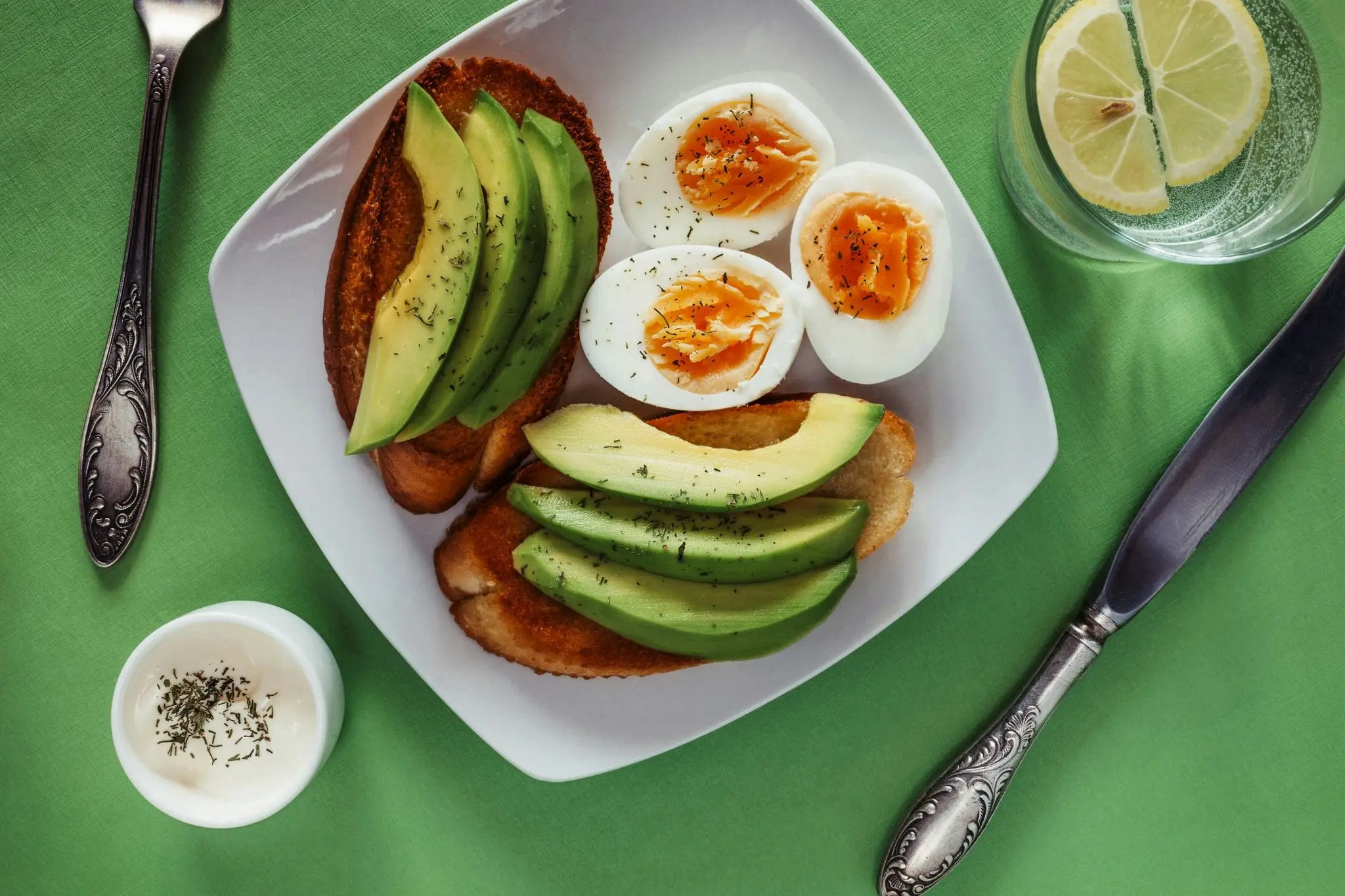
- Eggs with toast and avocado
- Salmon with potatoes and greens
- Stir-fry with protein and frozen vegetables
Simple meals are easier to prepare, easier to repeat, and easier to stick with through a busy week.
Use shortcuts without feeling guilty about it
Healthy eating does not become less valid because it is convenient.
There is nothing wrong with using shortcuts that save time and make consistency more realistic.
Helpful options include:
- Pre-washed salad greens
- Frozen vegetables
- Microwaveable rice
- Rotisserie chicken
- Pre-cut fruit
- Canned beans
- Store-bought hummus or dips
- Boiled eggs from the grocery store
- Ready-to-blend smoothie ingredients
These tools exist for a reason.
If they help you eat better with less effort, they are doing their job.
Prep components, not perfection
One of the easiest ways to make meal prep less overwhelming is to prepare a few key components instead of fully assembled meals.
For example, you could prep:
- A tray of roasted vegetables
- A pot of rice or quinoa
- A protein source for lunch and dinner
- A couple of breakfast options
- A few snacks for the fridge
That gives you flexibility.
You can turn those ingredients into different meals throughout the week depending on your appetite, time, and schedule. It also helps reduce the boredom that comes from eating the exact same thing every day.
Keep one prep session small and focused
Meal prep does not need to be a four-hour event.
In many cases, 60 to 90 minutes is more than enough when you keep the plan tight.
Try this kind of structure:
- Pick 2 proteins
- Pick 1 or 2 carb sources
- Pick 2 vegetables
- Pick 1 breakfast option
- Pick 2 snacks
That is enough to support several meals without overwhelming your kitchen or your energy.
A smaller prep session is also easier to repeat next week, which is what matters most.
Make weekday eating easier, not more rigid
A good meal prep routine should reduce decision fatigue, not create a new set of food rules.
The goal is not to control every bite. It is to create a little more support during the parts of the week when choices become rushed, stressful, or inconsistent.
That may mean:
- Having lunch ready before work gets hectic
- Making breakfast easier on busy mornings
- Keeping quick, balanced snacks nearby
- Reducing the urge to skip meals and overeat later
- Making it easier to recover after workouts
Meal prep should feel like help, not pressure.
If your routine feels too strict to maintain, simplify it until it works in real life.
Think about the meals that usually go off track
A useful way to start is to look at the moments in your week where healthy eating tends to break down.
Ask yourself:
- Do I skip breakfast because mornings feel rushed?
- Do I get takeout because lunch is unplanned?
- Do I snack mindlessly because I am too hungry by late afternoon?
- Do I struggle with dinner because I am tired at the end of the day?
Your meal prep does not need to solve everything. It just needs to solve something.
If one small prep habit makes your hardest meal of the day easier, that is progress.
Do not aim for flawless eating
Meal prep is a support tool, not a test.
You do not need to eat perfectly all week for your prep to be worth it. You do not need every container to be beautifully portioned. And you do not need to feel like you failed just because a few meals went differently than planned.
What matters is that healthy choices become easier to access.
That alone can improve consistency in a major way.
Even partial preparation counts. Even one or two ready meals can make your week feel more manageable.
A realistic meal prep routine is the one that lasts
The most effective meal prep strategy is not the one that looks the most impressive online. It is the one you can keep returning to without resentment.
That usually means:
- Fewer recipes
- Less prep time
- More repeat ingredients
- More flexibility
- More convenience
- Less pressure to do everything
When meal prep becomes easier to maintain, healthy eating stops feeling like a constant reset.
It becomes part of your routine.
Make the week easier on purpose
You do not need to spend your whole Sunday cooking to support your goals.
A little preparation can go a long way when it is focused on what actually helps you most. Keep it simple, use shortcuts when needed, and prepare just enough to make healthy eating easier during the week.
Because the best meal prep plan is not the most ambitious one.
It is the one that helps you show up for yourself consistently, even when life gets busy.

Why Healthy Fats Belong in a Fitness-Focused Diet
18 September 2026

How Long Should a Home Workout Actually Be?
18 September 2026
