
What to Eat Before and After a Workout: A Simple Guide for Better Results

Table of Content
What to Eat Before and After a Workout: A Simple Guide for Better Results
Workout nutrition can sound more complicated than it needs to be.
You will hear people talk about perfect timing, exact macro targets, and ideal supplement stacks. But for most people, better results come from understanding a few simple principles and applying them consistently.
What you eat before and after a workout matters because it affects how you feel, how you perform, and how well you recover. It does not need to be rigid. It just needs to make sense for your body, your schedule, and your goals.
Here is a simple way to think about it.
Why pre- and post-workout nutrition matters
Your body needs energy to train and support to recover.
Eating before a workout can help you feel more energized, focused, and steady during training. Eating after a workout helps support recovery, muscle repair, and readiness for your next session.
That does not mean every meal has to be perfectly timed or measured. It means giving your body what it needs around training often makes the whole process feel better and more sustainable.
What to eat before a workout
Before a workout, the goal is usually to give your body accessible energy without feeling too full or uncomfortable.
For most people, that means a meal or snack that includes:
- Carbohydrates for energy
- Some protein for support
- Foods that feel easy to digest
The exact amount depends on how close you are eating to your session.
If you are eating 2 to 3 hours before your workout
A balanced meal usually works well.
Examples:
- Rice, chicken, and vegetables
- Oats with Greek yogurt and fruit
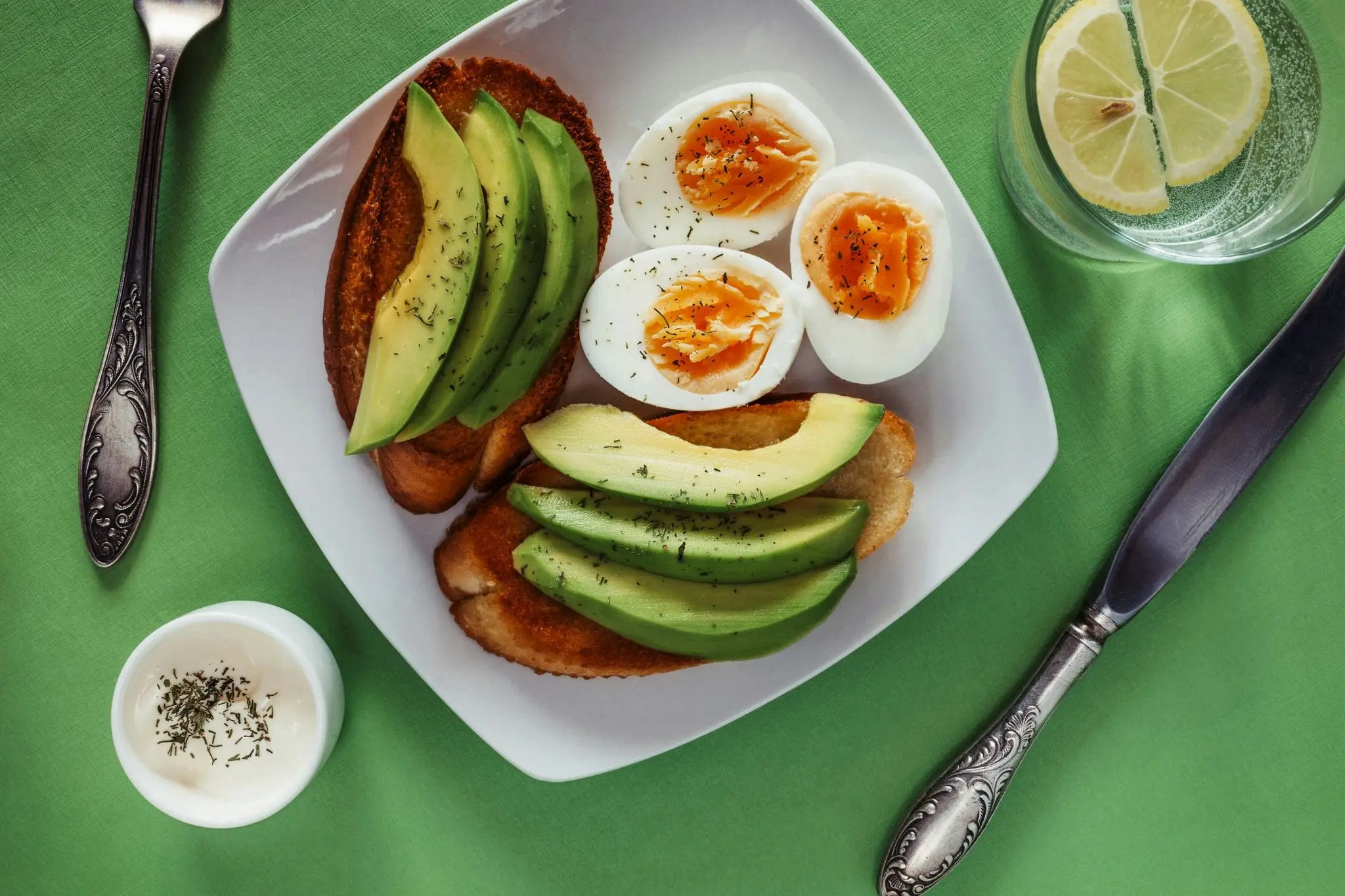
- Toast, eggs, and avocado
- A grain bowl with protein and a simple dressing
This gives your body time to digest while still providing solid energy.
If you are eating 30 to 90 minutes before your workout
Keep it lighter and simpler.
Examples:
- A banana with peanut butter
- Greek yogurt with berries
- Toast with honey and a little protein
- A smoothie with fruit and yogurt
- A protein bar that is easy on your stomach
The closer you are to your workout, the more helpful it is to keep fats and very heavy meals lower, since those can feel uncomfortable for some people during exercise.
What if you train early in the morning?
If you work out shortly after waking up, a full meal may not feel realistic.
In that case, a small snack can still help:
- Half a banana
- A few crackers with nut butter
- A small yogurt
- A quick smoothie
- A piece of toast
Some people feel fine training without eating first, especially for lighter sessions. But if your workouts feel flat, sluggish, or harder than expected, a small pre-workout snack may make a noticeable difference.
What to eat after a workout
After a workout, your body benefits from protein, fluids, and often some carbohydrates.
A post-workout meal or snack can help with:
- Recovery
- Muscle repair
- Replenishing energy
- Reducing the urge to overeat later from extreme hunger
A simple recovery plate often includes:
- Protein
- Carbohydrates
- Fluids
- Color from fruits or vegetables when possible
Examples:
- Chicken, sweet potato, and vegetables
- Eggs and toast with fruit
- Greek yogurt, granola, and berries
- A protein smoothie with fruit and milk
- Rice bowl with salmon and greens
This does not have to happen the second your workout ends. You do not need to panic about a tiny timing window. In most cases, eating a balanced meal within a reasonable period after training is enough.
Protein matters, but it does not need to be dramatic
Protein gets a lot of attention for a reason. It helps support muscle repair and recovery.
But that does not mean every post-workout meal needs to be a giant shake or a perfectly tracked number. For most people, simply including a meaningful protein source in meals across the day is a strong place to start.
Helpful protein options include:
- Greek yogurt
- Eggs
- Chicken
- Turkey
- Fish
- Tofu
- Tempeh
- Cottage cheese
- Protein smoothies
- Beans and lentils, especially when paired well in meals
Think consistent intake, not obsession.
Carbs are not the enemy of performance
Carbohydrates are one of the body’s main energy sources for exercise, especially when training is more intense or longer in duration.
Many people under-fuel because they are trying to eat “clean” or cut back too aggressively. Then they wonder why workouts feel weak, recovery feels slow, and cravings spike later in the day.
You do not need to fear carbs to make progress.
Fruit, oats, rice, potatoes, toast, wraps, and grains can all be part of a solid workout nutrition routine. The goal is not to eat as much as possible. The goal is to support training in a way that feels steady and sustainable.
Hydration matters too
Food is only part of the equation.
If you are under-hydrated, your workout can feel harder, your energy can dip, and recovery can feel slower. Even mild dehydration can make you feel off.
A simple approach:
- Drink water regularly through the day
- Have some fluids before training
- Rehydrate after your workout
- If you are sweating heavily or training longer, consider adding electrolytes when appropriate
You do not need a complicated hydration formula to start doing this better.
The best workout nutrition plan is one you can repeat
The most effective nutrition strategy is not the most perfect one. It is the one you can realistically follow.
That means your pre- and post-workout meals should fit your routine, preferences, budget, and schedule. Some days that looks like a balanced homemade meal. Other days it may be yogurt, fruit, and a quick protein source between meetings.
Both can work.
Consistency beats overthinking.
Eating before and after a workout does not need to feel complicated.
Before training, focus on giving your body accessible energy. After training, focus on recovery through protein, hydration, and a balanced meal or snack. Keep it simple, pay attention to how your body responds, and build a routine you can actually maintain.
Better nutrition is not about being perfect. It is about giving your body the support it needs to keep showing up.

Why Healthy Fats Belong in a Fitness-Focused Diet
18 September 2026
How Long Should a Home Workout Actually Be?
18 September 2026
