
How to Add More Protein to Your Day Without Overcomplicating Meals
.png)
Table of Content
Nobody woke up one day and decided they wanted to spend their evenings weighing chicken breast on a kitchen scale. Yet somehow, that's the image protein advice keeps pointing toward: macro spreadsheets, meal prep containers lined up like soldiers, and supplement stacks that cost more than a grocery run.
It doesn't have to be that way.
Most people who struggle to eat enough protein aren't failing because of a lack of discipline. They're failing because the advice they've been given is too complicated to actually live with. Strip that away, and what's left is surprisingly manageable.
The Problem Is Usually the Kitchen, Not the Person
Walk through the average person's day: toast or cereal in the morning, a sandwich or salad at lunch, pasta or rice at dinner. All perfectly fine food, but look at where the protein is, and it's almost an afterthought in every meal.
That's not a character flaw. It's just how most people learned to eat. Carbohydrates are easy. They're cheap, they fill space, they're what most quick meals are built around. Protein requires slightly more intention, which means if your kitchen isn't already set up for it, you'll always be improvising.
So before changing anything about how you cook or eat, look at what's actually in your fridge and cupboards. If there are no eggs, no Greek yogurt, no canned fish, no legumes, and no pre-cooked chicken, there's nothing to work with. That's where the fix starts.
A grocery list built around your fitness goals takes the guesswork out of it and ensures your weekly shop is already working for you before you've cooked a single thing.
Breakfast Is Probably Your Biggest Gap
Most people's breakfasts are almost entirely carbohydrates. Oats, toast, cereal, and fruit are not bad foods, but they're low in protein when eaten on their own. And because breakfast sets the tone for the rest of the day, starting with very little protein can leave you behind by 9 a.m.
The fix doesn't require a new routine. It requires a small addition to the one you already have.
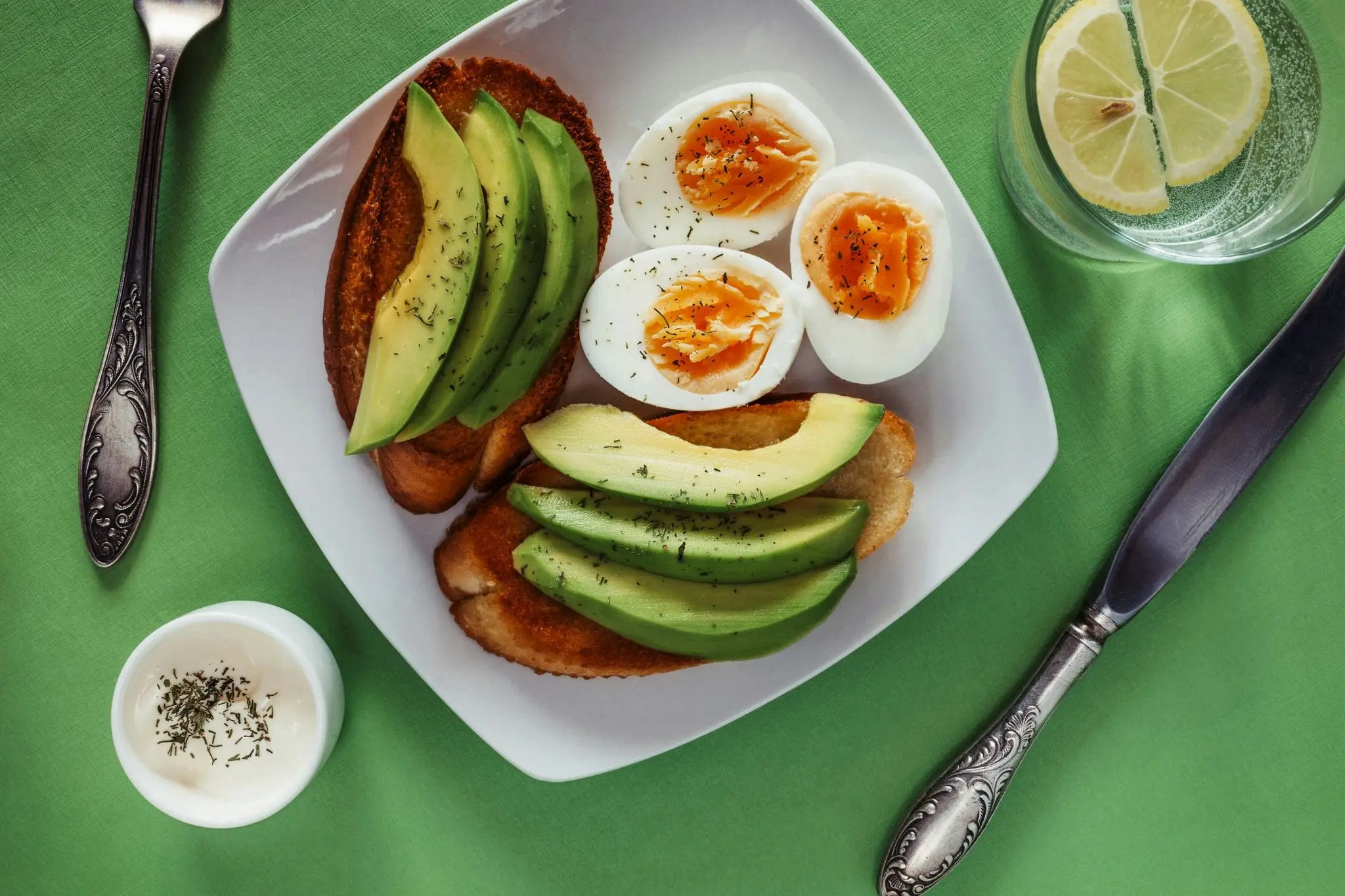
If you eat oats, cook them with milk instead of water and stir in a spoonful of peanut butter or some hemp seeds. If you eat toast, add eggs. If you're in a rush most mornings, a container of Greek yogurt takes thirty seconds to open and delivers 15 to 20 grams of protein before you've even sat down. Cottage cheese with fruit on top sounds more complicated than it is, it takes about the same time as pouring cereal.
Pick one change for breakfast and do it consistently. That single shift, held over a few weeks, makes a measurable difference.
Build Lunch Around the Protein, Not the Carb
Here's a habit worth trying: when you're putting together lunch, decide on the protein first. Then figure out what goes around it.
Most people do it the other way: they decide on the bread, the wrap, the rice, or the pasta and then add whatever protein is easy. Flip that order, and the whole meal changes shape. Suddenly you're thinking about what to put the chicken with, not what to put in the sandwich.
This doesn't mean cutting carbs out. It means giving protein the lead role instead of a supporting one.
Canned tuna, chickpeas, leftover roasted chicken, hard-boiled eggs, or a tin of salmon can all anchor a lunch in under five minutes. Pair any of them with whatever vegetables and grains you have on hand, and you've built something genuinely balanced without following a recipe.
If you want a cleaner framework for what a balanced meal actually looks like day-to-day, building a balanced plate without counting calories lays it out simply, without turning it into a math problem.
Dinner Usually Looks After Itself, With One Adjustment
Dinner tends to be the meal with the highest protein intake, mainly because it's the one meal most people actually cook with some intention. The issue isn't that dinner is protein-poor; it's that the portions are often skewed toward carbs.
A plate that's half pasta with a small amount of mince mixed in is a very different nutritional picture from a plate where the protein portion is properly sized, and the pasta fills in around it.
You don't need to weigh anything or count anything. Just look at your plate and ask whether the protein source is the main feature or a minor ingredient. If it's the latter, that's the adjustment.
A few other easy additions for dinner: stir white beans or lentils into pasta sauces and soups; they blend in, add fiber, and quietly boost the protein content without changing the flavor. Swap sour cream for Greek yogurt in anything that calls for it. Keep frozen edamame in the freezer for a two-minute side that adds more protein than most people expect.
Snacks Are Either Working for You or Against You
The snacking habits most people default to, like crackers, crisps, a piece of fruit, and a handful of nuts, don't do much for protein intake. They fill the gap between meals without really contributing to what the body needs.
This isn't about eliminating snacks. It's about making them count.
Swapping a packet of crackers for a hard-boiled egg, a small pot of Greek yogurt, or a portion of edamame takes no more time but delivers something genuinely useful. String cheese, cottage cheese, and a slice of turkey are all quick, require no preparation, and close the protein gap between meals rather than widening it.
If meal prep is part of your routine, batch cooking a few protein-friendly snacks during the week makes it almost automatic. And if Sunday cooking sessions feel like more effort than they're worth, meal prepping without spending your whole Sunday on it covers how to keep it light while still making the week easier.
Around Workouts, Timing Matters a Little
You don't need to obsess over post-workout protein windows or drink a shake the moment you leave the gym. But if you're training regularly, being vague about nutrition around exercise does slow things down.
Protein before a session gives the body something to work with. Protein after gives it the material to recover and adapt. Neither has to be complicated: eggs before, a chicken meal after, and yogurt on either side, but being deliberate about it makes a real difference over time.
If you want more specific guidance on what to eat and when and what to eat before and after a workout, it walks you through the practical side without overloading you with information.
A Word on Protein Powder
It's a tool, not a solution. If your diet has very little protein and you add a daily shake, the shake helps, but it won't fix the underlying gap if meals are still built without intention.
Where protein powder genuinely earns its place is as a top-up. You've eaten reasonably well throughout the day; you're still a bit short, and a scoop mixed into yogurt or oatmeal closes the gap. That's a legitimate use case.
What it isn't is a replacement for rethinking how meals are structured. Whole food sources provide fiber and micronutrients that powders don't. Use it to supplement a decent foundation, not to avoid building one.
The Part That Actually Makes It Stick
Knowing what to eat and consistently eating it are two different problems. The second one is entirely about friction, how much effort a habit requires on a tired Tuesday evening when you'd rather not think.
The habits that last are the ones attached to things that already happen. You already go to the supermarket; that's when you add Greek yogurt and canned fish to the list. You already eat breakfast; that's when you add eggs or swap regular yogurt for Greek. You already cook dinner; that's when you give the protein a bigger role on the plate.
None of these require building a new routine from scratch. They sit atop what already exists, which is why they hold on.
Over time, these small changes, built into meals rather than bolted on as extra effort, become the most natural expression of simple nutrition habits that support your training.
Questions Worth Answering
How much protein do I actually need?
A practical starting point for most active people is between 0.7 and 1 gram per pound of body weight. If tracking feels like too much, just aim for a proper protein source at every meal and a protein-rich snack once or twice a day; that gets most people close.
Can I hit my protein needs without eating meat?
Yes. Eggs, dairy, legumes, tofu, tempeh, edamame, and high-protein grains like quinoa can collectively cover a lot of ground. It takes slightly more variety than a meat-based approach, but it's entirely workable.
Will eating more protein cause weight gain?
On its own, no. Protein is the most filling macronutrient, which means it tends to reduce overall intake by curbing hunger. Adding protein without dramatically increasing total calories rarely leads to weight gain.
Is protein timing important?
Spreading intake across the day is more effective than eating most of it in one sitting. The body can only use a certain amount for muscle repair per meal. Three to four protein-containing meals throughout the day make better use of what you're eating than one large protein-heavy dinner.
Where should I start if I'm totally new to this?
Fix breakfast. Add eggs or Greek yogurt to your morning routine and leave everything else alone for the first week. Build from there once that feels normal.

Why Healthy Fats Belong in a Fitness-Focused Diet
18 September 2026

How Long Should a Home Workout Actually Be?
18 September 2026
