
The Best Home Workout Setup for Small Spaces
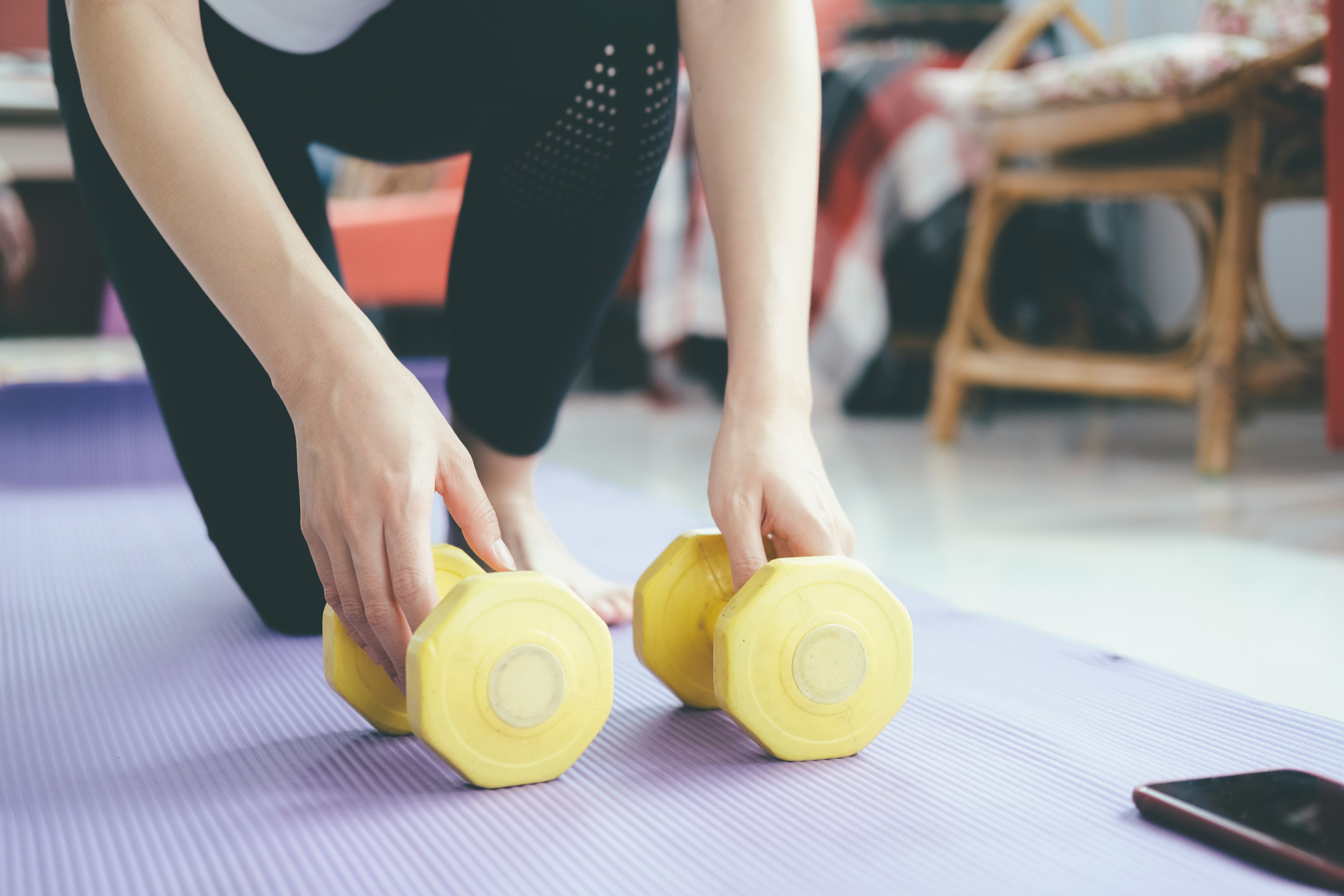
Table of Content
You do not need a full home gym to stay active.
A small corner, a clear patch of floor, and a few simple tools can be enough to build a workout routine that fits your day. The key is not having the perfect space. It is making your space easy to use.
When your home workout area is simple, visible, and ready to go, it becomes much easier to move consistently. You spend less time setting up and more time actually exercising.
Here is how to create a home workout setup that works, even if you do not have much room.
Start With the Space You Already Have
Before buying equipment, look around your home and choose a realistic workout spot.
You do not need a dedicated room. You might use part of your bedroom, living room, hallway, balcony, or even the space beside your desk.
A good small-space workout area should have enough room for basic movements like squats, lunges, push-ups, planks, and stretching. If you can lie down, reach your arms out, and step side to side safely, you probably have enough space to begin.
The goal is to find a spot that feels easy to access, not perfect.
If the space is too hard to set up every time, you are less likely to use it.
Clear Just Enough Floor Space
Small-space fitness works best when setup is quick.
You do not need to rearrange your entire home. Just clear enough space for movement.
Move a chair, shift a coffee table, roll up a rug if needed, or keep one corner uncluttered. A clear floor area helps you move more confidently and reduces the chance of bumping into furniture.
If you live in a compact apartment, try choosing a “default workout zone.” This is the area you return to whenever you want to exercise.
Having one consistent spot removes decision-making. Your body starts to associate that space with movement.
Keep Equipment Simple
One mistake people make is buying too much equipment too soon.
A small home setup should stay simple. You want tools that are useful, easy to store, and flexible across different exercises.
Good starter options include:
- A yoga or exercise mat
- Resistance bands
- One or two pairs of dumbbells
- A kettlebell
- A jump rope, if you have enough space
- A foam roller or massage ball
- A sturdy chair or bench
You do not need all of these. Start with one or two items that match the workouts you actually enjoy.
For many people, a mat and resistance bands are enough to begin.
Choose Equipment That Matches Your Goals
Your setup should support the type of movement you want to do.
If your goal is strength training, dumbbells, resistance bands, or a kettlebell may be useful.
If your goal is mobility and stretching, a mat and foam roller may be enough.
If your goal is general activity, bodyweight exercises might work perfectly without any equipment.
Avoid buying items just because they look impressive online. The best equipment is the equipment you will actually use.
A simple setup you use three times a week is better than a full rack of gear you ignore.
Make Storage Easy
Storage matters more than people think.
If your equipment is buried in a closet, under a bed, or behind a pile of other things, it becomes easier to skip your workout.
Keep your tools visible or easy to reach. You can use a small basket, shelf, drawer, storage bin, or corner of the room.
For example, you might keep resistance bands in a basket near your mat, dumbbells beside the couch, or a foam roller near your desk.
The easier it is to grab your equipment, the easier it is to start.
Use Furniture as Part of Your Setup
You already have useful workout tools at home.
A sturdy chair can support sit-to-stands, step-ups, incline push-ups, seated leg lifts, or tricep dips.
A wall can be used for wall sits, wall push-ups, posture drills, or balance support.
A couch can help with elevated glute bridges or modified planks.
Stairs can be used for step-ups or short walking intervals.
You do not need to turn your furniture into gym equipment for every workout, but it helps to know what is available.
Small spaces become more flexible when you see everyday objects as movement supports.
Pay Attention to Safety
A good workout setup should feel safe and comfortable.
Check your floor before you start. Avoid slippery surfaces, unstable rugs, or clutter near your feet. Make sure you have enough room to move without hitting sharp corners or fragile items.
If you are using a chair or bench, make sure it is sturdy and does not slide.
If you are jumping or doing faster movements, consider whether your flooring, neighbors, or space can handle it. Low-impact exercises may be a better fit for apartments or shared buildings.
A safe setup helps you move with more confidence.
Set Up Good Lighting and Airflow
You do not need a beautiful studio, but your workout area should feel inviting.
Good lighting can make the space feel more energizing. Natural light is great, but a bright lamp can also help.
Airflow matters too. Open a window, turn on a fan, or choose a room that does not feel too stuffy.
These small details can make your workouts feel less like a chore.
When your space feels good, you are more likely to return to it.
Keep a Workout Plan Nearby
Even with a good setup, it can be hard to start if you do not know what to do.
Keep a simple workout plan nearby so you do not have to decide at the moment.
This could be a note on your phone, a printed routine, or a short list on a whiteboard.
For example:
Quick strength circuit:
Squats
Push-ups
Rows with resistance band
Glute bridges
Plank
Simple mobility session:
Neck rolls
Shoulder circles
Hip circles
Hamstring stretch
Child’s pose
Low-energy movement option:
March in place
Wall push-ups
Calf raises
Seated twists
Gentle stretching
Your plan does not need to be complicated. It just needs to give you a clear starting point.
Make the Setup Easy to Reset
A small workout space should be easy to clean up.
If your workout area takes too long to reset, it may start feeling like a burden.
Try to keep your setup simple enough that you can put everything away in one or two minutes. Roll up your mat, place bands in a basket, return dumbbells to their corner, and clear the floor.
This keeps your home livable and makes the next workout easier to begin.
A good setup should support your routine, not take over your space.
Build a “Ready to Move” Corner
If you can, create a small corner that is always ready.
This might include your mat, water bottle, towel, resistance bands, and workout shoes.
You do not need much. The point is to create a visual reminder that movement is available.
When your setup is ready, starting feels easier.
You remove the friction of looking for equipment, clearing space, and deciding what to do. Sometimes, that is the difference between skipping and moving for 15 minutes.
Start Small and Upgrade Later
You do not need to build your perfect setup right away.
Start with what you have. Try a few workouts. Notice what you actually use. Then upgrade based on real needs.
Maybe you realize resistance bands are enough. Maybe you want heavier dumbbells later. Maybe you prefer stretching and mobility over strength circuits.
Let your routine guide your setup.
This prevents wasted spending and keeps your space focused.
Final Thoughts
The best home workout setup is not the biggest or most expensive one.
It is the one that makes movement easier to repeat.
Choose a small space you can access quickly. Keep the floor clear. Use simple equipment. Store it where you can reach it. Make the area safe, comfortable, and easy to reset.
Your home workout setup does not need to be perfect.
It just needs to be ready when you are.


Why Healthy Fats Belong in a Fitness-Focused Diet
18 September 2026
How Long Should a Home Workout Actually Be?
18 September 2026
