
A No-Equipment Core Routine You Can Do Anywhere
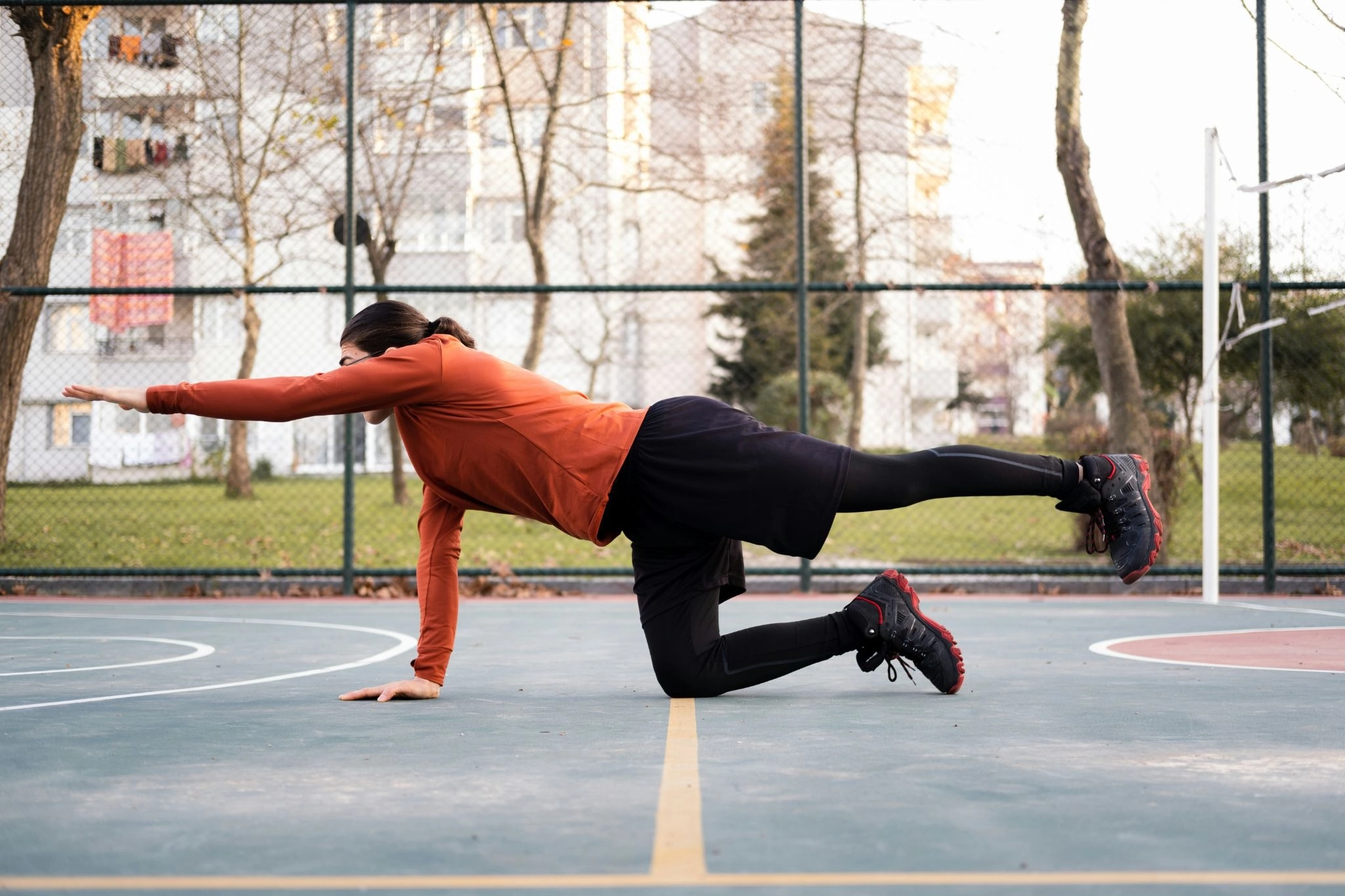
Table of Content
You do not need a gym, a mat, or a long workout window to train your core.
A simple bodyweight routine can help you build stability, improve control, and feel stronger in everyday movement. And because it requires no equipment, you can do it at home, in a hotel room, or anywhere you have a small amount of floor space.
This routine is beginner-friendly, low-barrier, and easy to repeat throughout the week.
Why Core Training Matters
Your core is not just your abs.
It includes the muscles around your trunk, hips, lower back, and pelvis. These muscles help you stay balanced, move with control, and support your body during daily activities.
A stronger core can make exercises like squats, lunges, push-ups, and rows feel more stable. It can also help with posture, coordination, and general movement confidence.
The goal of core training is not just to “feel the burn.” It is to build control.
Before You Start
For this routine, focus on slow, steady movement.
You do not need to rush through the exercises. In fact, moving too fast usually makes core work less effective.
Keep your breathing steady. Try not to hold your breath during the harder parts. If you feel your lower back taking over, slow down, reduce the range of motion, or take a short break.
Aim for control first, intensity second.
The No-Equipment Core Routine
Complete the following exercises in order.
Do each move for 30 seconds, then rest for 15 seconds before moving to the next exercise.
After all 5 exercises, rest for 60 seconds. Repeat for 2 to 3 rounds.
1. Dead Bug
Lie on your back with your arms reaching toward the ceiling and your knees bent at 90 degrees.
Slowly lower one arm and the opposite leg toward the floor, then return to the starting position. Switch sides and repeat.
Keep your lower back gently pressed toward the floor as you move.
This exercise teaches your core to stay steady while your arms and legs move.
2. Plank Hold
Start on your forearms and toes, with your body in a straight line from head to heels.
Keep your elbows under your shoulders. Squeeze your glutes gently and keep your stomach engaged.
Avoid letting your hips sag or lift too high.
If a full plank feels too difficult, drop your knees to the floor and keep the same strong body position.
3. Bird Dog
Start on your hands and knees.
Reach one arm forward and the opposite leg back. Pause briefly, then return to the starting position and switch sides.
Move slowly and try not to let your hips shift side to side.
This exercise helps with balance, coordination, and core stability.
4. Glute Bridge March
Lie on your back with your knees bent and feet flat on the floor.
Lift your hips into a bridge position. From there, slowly lift one foot a few inches off the floor, place it back down, then switch sides.
Keep your hips as steady as possible.
This move trains your core and glutes to work together, which is helpful for posture and lower-body control.
5. Side Plank
Lie on your side with your elbow under your shoulder.
Lift your hips so your body forms a straight line. Hold the position while keeping your core engaged.
You can keep your knees bent on the floor for an easier version, or straighten your legs for a more challenging version.
Do one side for 30 seconds, then switch sides in the next round. Or split the time between both sides.
Make It Easier
If you are new to core training, start with 1 to 2 rounds instead of 3.
You can also shorten each exercise to 20 seconds and take longer rest periods between moves.
The goal is to finish feeling challenged, not frustrated.
Good form matters more than completing the hardest version of every exercise.
Make It Harder
Once the routine starts to feel easier, you can increase the challenge by adding time, reducing rest, or doing an extra round.
You can also slow down each movement. A slower dead bug or bird dog can be much more challenging than a fast one.
Progress does not always mean doing something more intense. Sometimes it means doing the same movement with better control.
How Often Should You Do This Routine?
You can do this core routine 2 to 4 times per week.
It works well as a short standalone workout, a warm-up before strength training, or a quick movement break during the day.
Because it is low-equipment and easy to repeat, it can become one of those routines you return to whenever you want something simple but useful.
Final Thoughts
Core training does not need to be complicated.
With just a few bodyweight exercises, you can build strength, control, and stability from almost anywhere.
Start with the version that feels right for your body today. Move slowly, breathe steadily, and focus on quality reps.
A consistent core routine does not need to be long. It just needs to be doable.


Why Healthy Fats Belong in a Fitness-Focused Diet
18 September 2026

How Long Should a Home Workout Actually Be?
18 September 2026
